

Similarly to heating your home, using the energy to heat your domestic hot water year-round.
This sytem uses geothermal- heated water that circulates through baseboard units along the walls of your home. Releasing heat into the room as warm water flows through them.
This sytem circulates geothermal-heated water through tubing installed beneath your floors.
Uses ductwork to distribute warm or cool air throughout the building, allowing for quick temperature changes.
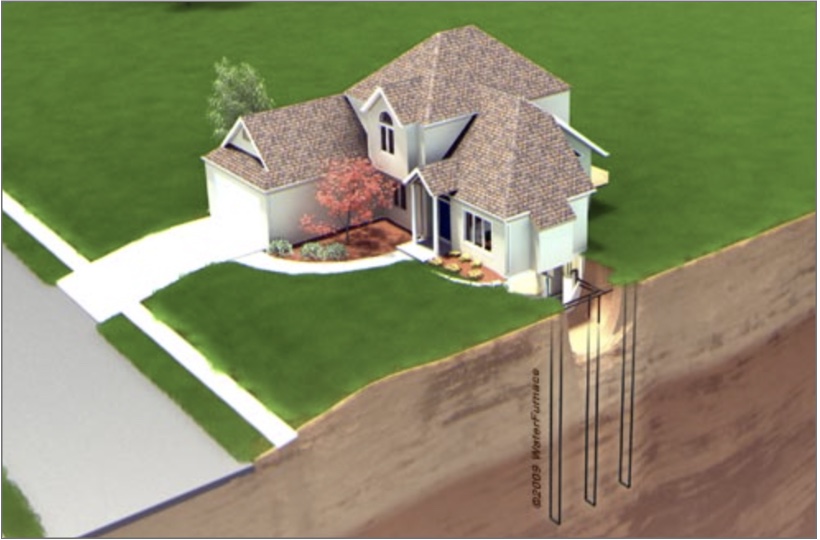
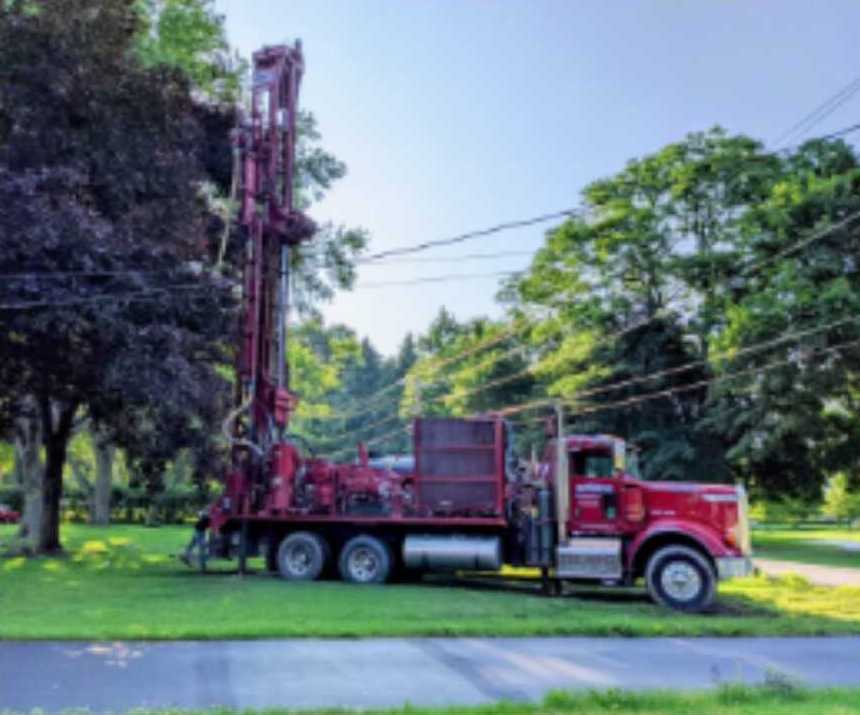
Pipes are drilled up to 500 feet into the ground, making this system ideal for sites with limited space.
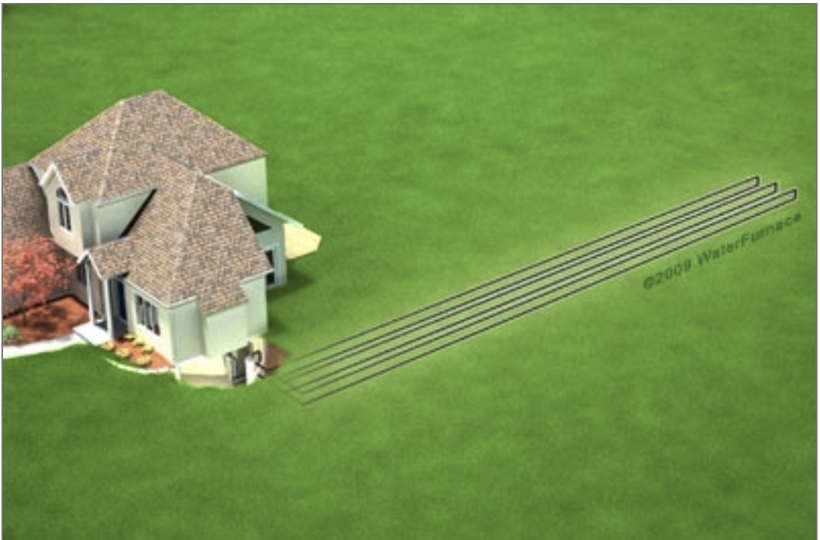
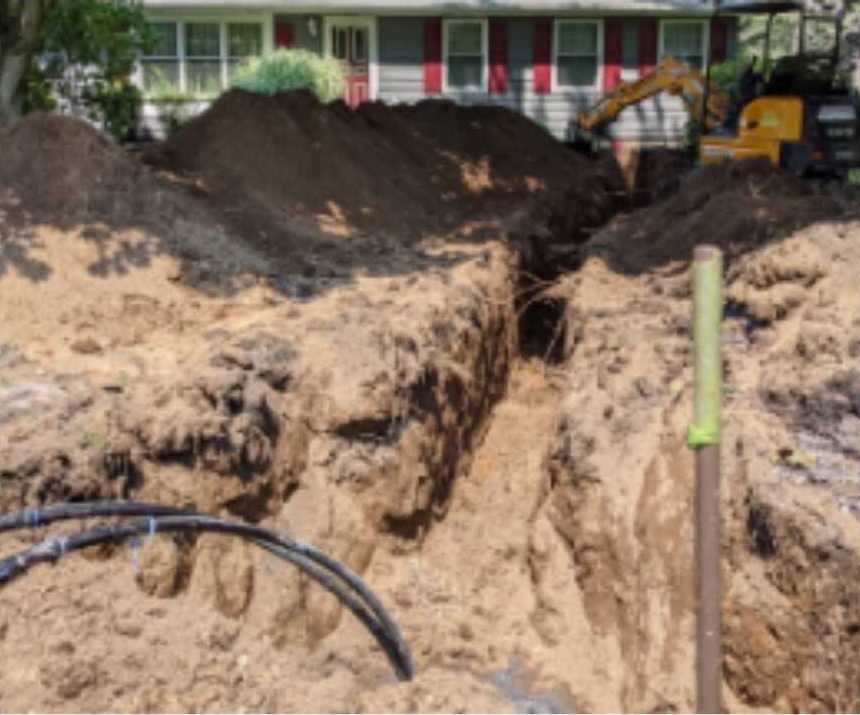
Pipes are laid in long trenches 8 feet underground, most cost effective solution for projects with available space.
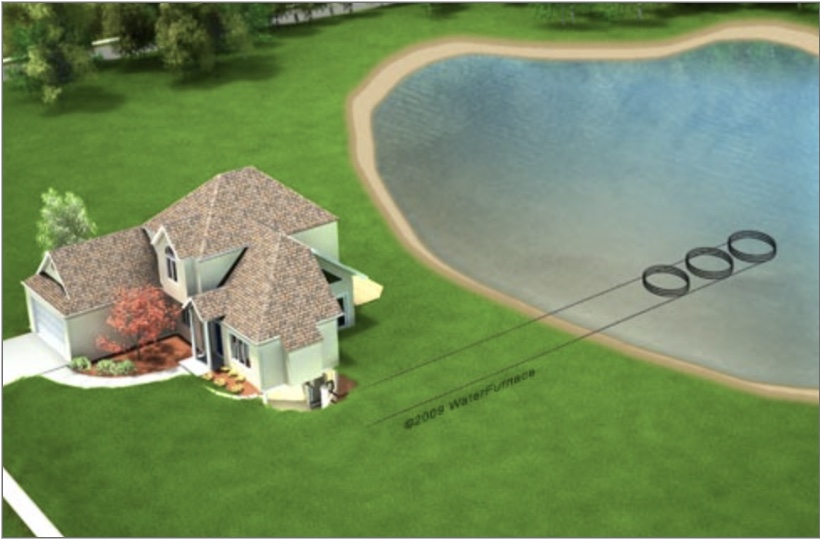
Coils of pipe are placed at the bottom of a pond, using the water as a heat exchange source.
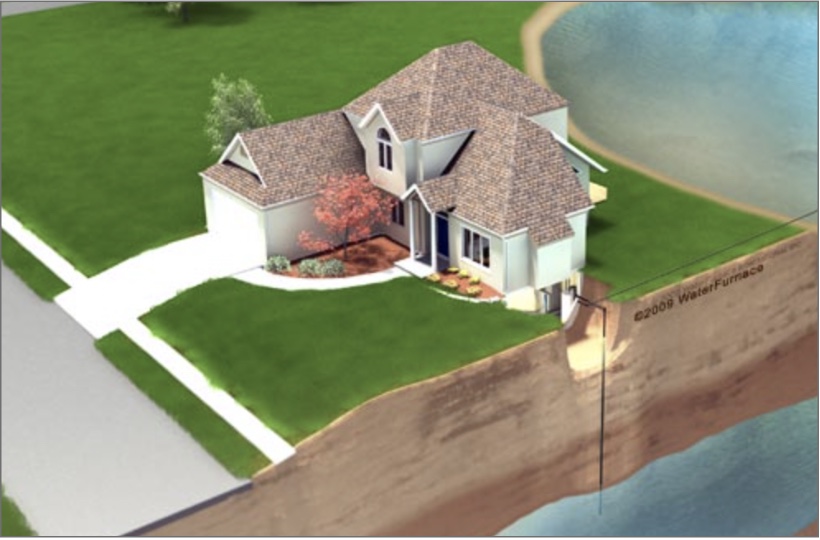
Uses groundwater from a well as the energy source, returning the water to a secondary well or discharge area.
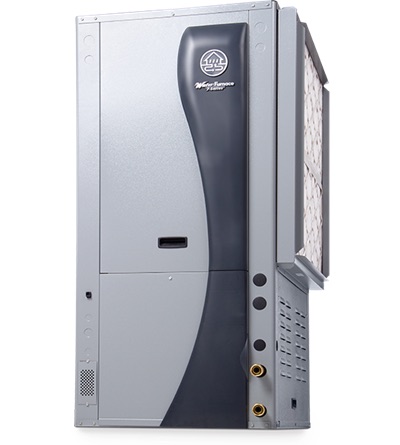
SEER: ~35-45 COP: ~3-6
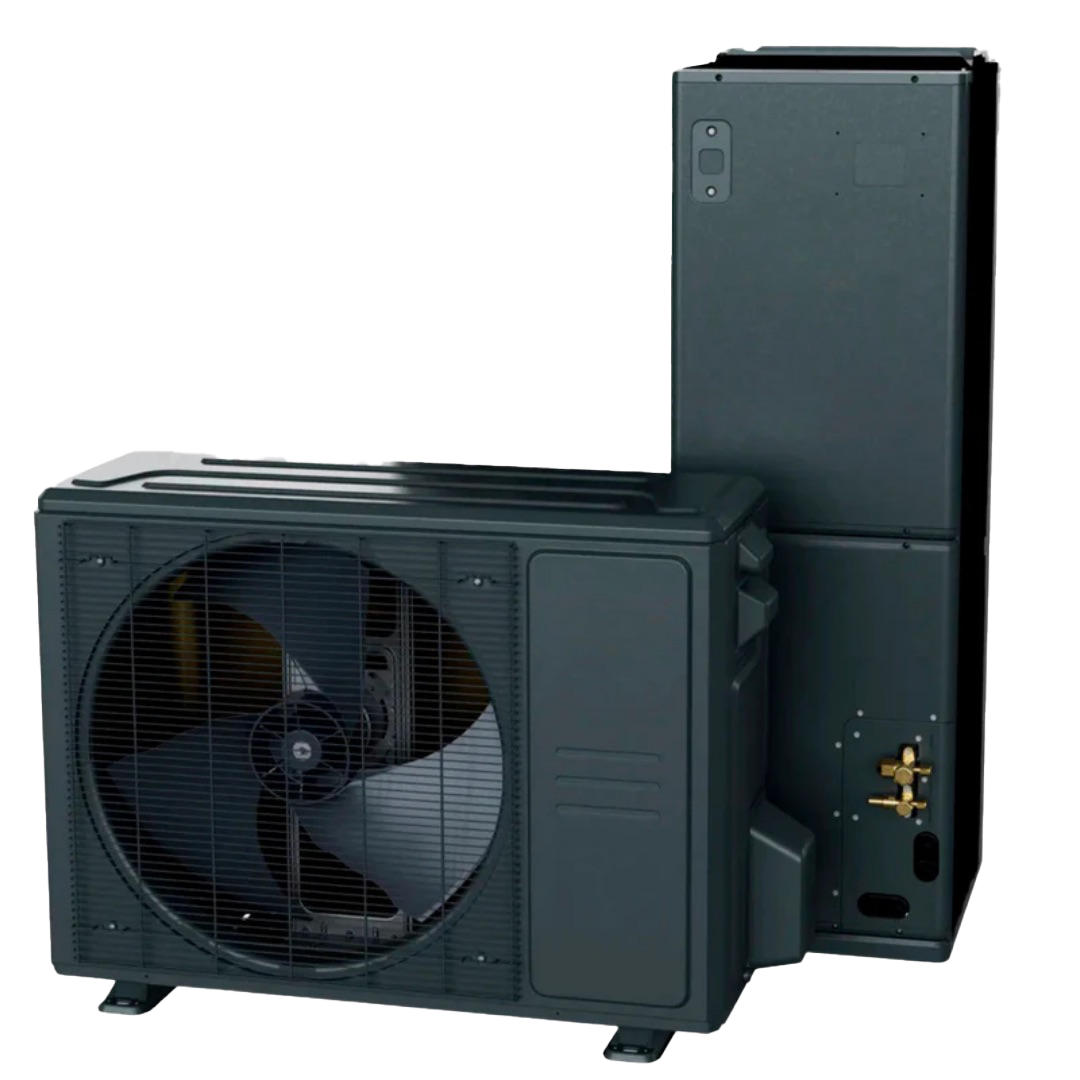
SEER: ~28-36 COP: ~20-30
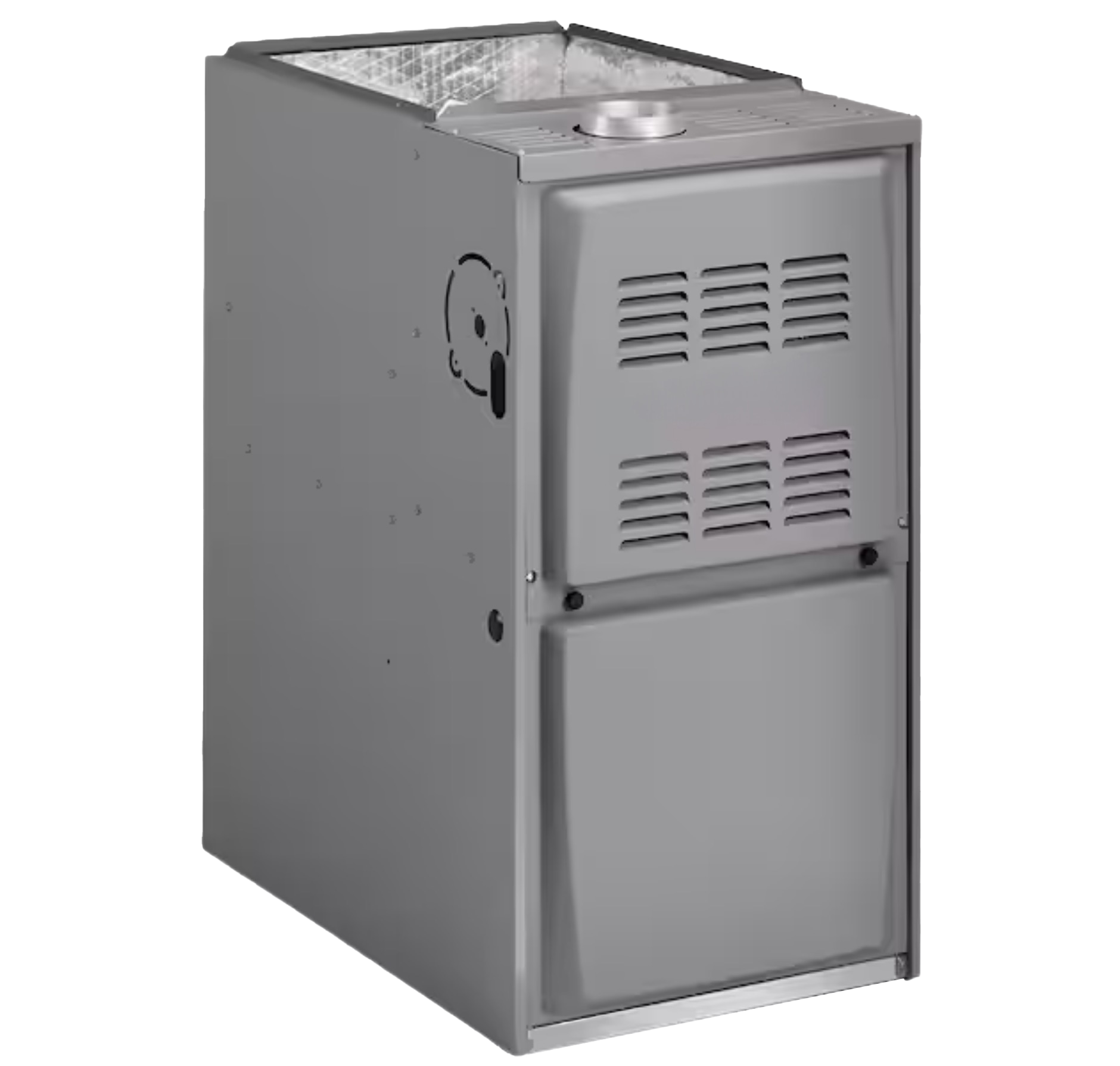
SEER: ~16-20 COP: ~1
Cooling efficiency for geothermal system is usually rated using EER rather than SEER because they operate under stable temperatures. SEER values shown are approximate equivalents for comparison purposes.
Supplemental heating isn’t necessary with geothermal because our system’s capacities aren’t affected by how cold it is outside.
A few feet beneath the surface, the earth’s temperature remains fairly constant ranging from 45°F or so in northern latitudes to about 70°F in the deep south-year round. A geothermal system takes advantage of this constant temperature to provide extremely efficient heating and cooling.
In winter, a water solution circulating through pipes buried in the ground absorbs heat from the earth and carries it into the home. The geothermal system inside the home uses a heat pump to concentrate the earth’s thermal energy and then to transfer it to air circulated through standard ductwork to fill the interior space with warmth.
In the summer, the process is reversed: heat is extracted from the air in the house and transferred through the heat pump to the ground loop piping. The water solution in the ground loop then carries the excess heat back to the earth. The only external energy needed for the geothermal system is the small amount of electricity needed to operate the ground loop pump, fan, and compressor.
In recent years many improvements have been made in the materials used, the installation methods, and the efficiencies of the compressors, pumps and other equipment.
In the last few years that new designs and improved pipe material have been combined to make a geothermal unit the most efficient heating and cooling systems available.
That depends on how you measure cost. While they do cost more to install in homes than conventional systems, because of the ground loop piping, geothermal systems typically have the lowest life-cycle cost of any heating and cooling system. Heating and cooling for a typical 2,000-sq.-ft. home can run as low as $1.00 a day.
Altogether, geothermal systems are a sound investment. The amount they save the homeowner every month in energy costs is more than enough to offset their higher installation cost resulting in a positive monthly cash flow.
Remember, too, that geothermal means extra savings on repair, maintenance, and hot water bills. And the energy efficiency of geothermal adds value to the home.
CENTRAL HUDSON
CON EDISON
NATIONAL GRID
NYSEG / RG&E
ORANGE & ROCKLAND
All Participating NYS Utilities